
3 min read
When Bush Becomes Firestorm: New Zealand's Wildfire Warning
Across the Northern Hemisphere, this summer has delivered a stark warning about what happens when heat, drought, wind and abundant vegetation combine. Spain has battled enormous fires, with hundreds of thousands of hectares already scorched in 2026. France has endured prolonged extreme heat, while Britain, traditionally regarded as a relatively low wildfire-risk country, has experienced major fires during an exceptional summer heatwave. Canada and the United States continue to face destructive fires capable of overwhelming communities and emergency services.
The lesson for New Zealand, and particularly Auckland, is difficult to ignore.
As the climate warms and weather patterns become more extreme, landscapes that have historically been considered relatively damp and fire-resistant can become dangerously dry. Auckland has extensive parks, recreational reserves, bushland and managed forestry. In normal conditions, much of this vegetation forms a lush landscape. During prolonged dry periods, however, leaf litter, dead branches, grasses and dense undergrowth can become a continuous carpet of fuel.
The danger is not simply the presence of vegetation. It is the lack of separation.
In parts of the Waitākere foothills and other bush-fringe communities, homes sit close to heavily vegetated terrain, sometimes along narrow or difficult-to-access roads. Once a fast-moving fire enters such an environment, firefighting becomes a race against time. Embers can travel ahead of the main fire front, ignite roofs, decks, gutters and vegetation, and create multiple fires simultaneously.
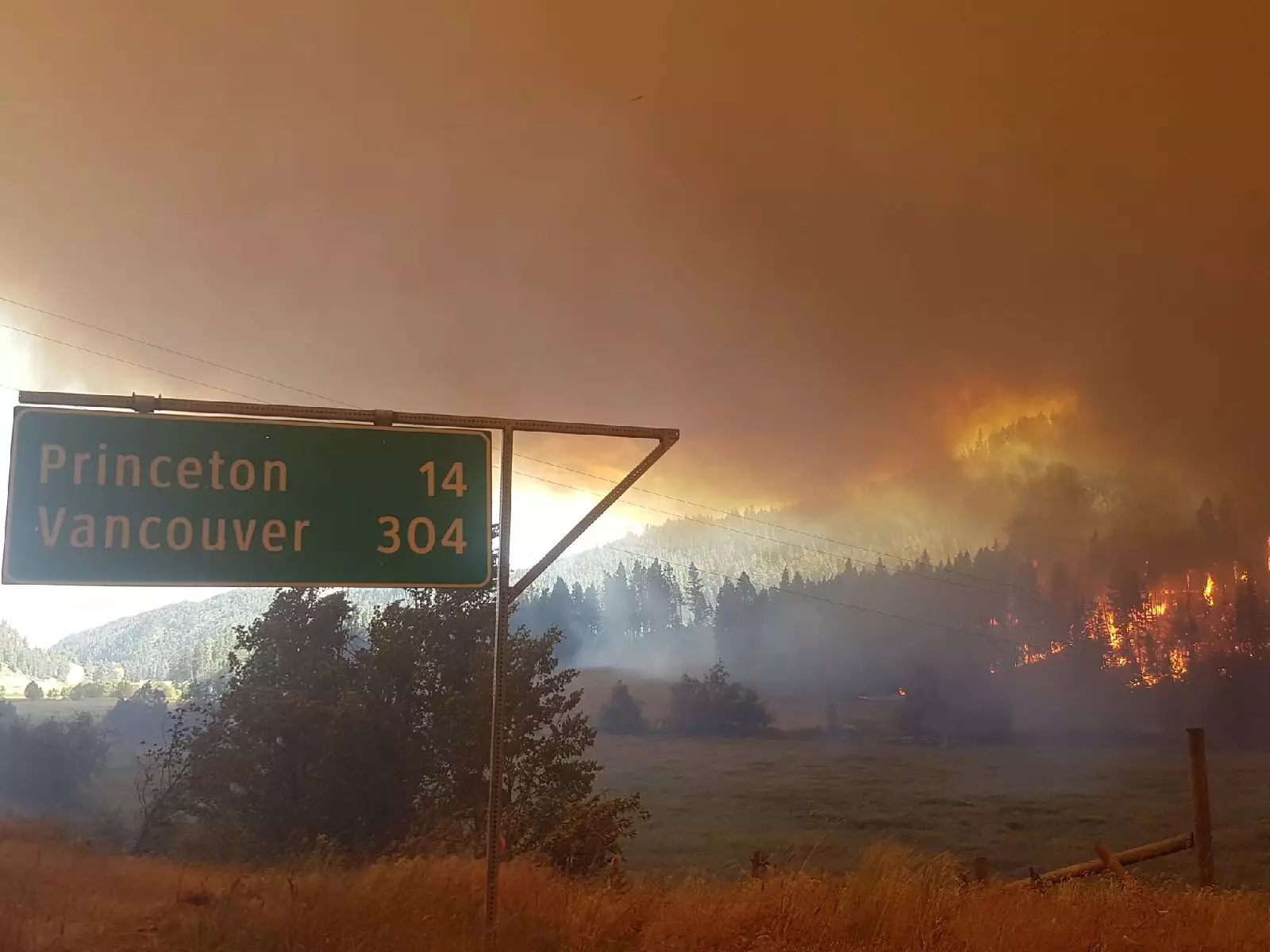
We have seen the consequences before. The major fires that affected the Waitākere foothills in the 1970s should remain part of Auckland's collective memory. The difference today is the scale of development and the number of homes positioned within or immediately beside bush environments.
Fire and Emergency New Zealand already advises homeowners to create defensible space around properties, including clearing combustible vegetation, maintaining gutters, thinning trees and ensuring emergency vehicles have adequate access. It recommends removing or reducing significant fuel within the immediate area around a house and thinning vegetation farther out to slow fire spread.
That advice deserves to become a community conversation, not simply an individual responsibility.
Residents living alongside bush should consider forming local groups of like-minded homeowners and developing practical plans before an emergency occurs. Those plans should include:
- Escape routes. Identify at least two evacuation pathways where possible, establish meeting points and make arrangements for children, elderly residents, pets and animals. Fire and Emergency specifically recommends having more than one way out because the direction of a wildfire can change rapidly.
- Defensible space. Create meaningful separation between houses and surrounding vegetation. Clear gutters, remove accumulated leaf litter, prune trees and reduce highly flammable vegetation close to buildings.
- Independent water and protection systems. Homeowners in high-risk locations should investigate professionally designed sprinkler or wetting systems, protected water storage and backup pumping arrangements capable of operating during power outages. Such systems should be designed and installed with appropriate fire-safety advice rather than treated as a substitute for evacuation.
The critical point is that residents should not assume firefighters will always be able to save every property. During a major event, resources must be deployed where they can be most effective, while communities may face rapidly changing priorities.
Preparation therefore isn't about trying to fight a wildfire yourself. It is about buying time, reducing fuel, creating options and, most importantly, getting people and animals out safely.
The question facing Auckland's bush communities may no longer be whether conditions capable of producing a major wildfire will occur. It's the choices that we make today that determine whether we are prepared and save our structures, or whether we are prepared to lose them.


